
The Grand Egyptian Museum (GEM) is a modern cultural institution located on the Giza Plateau, approximately 3 kilometers from the Pyramids.
As the world’s largest museum dedicated entirely to ancient Egyptian civilization, it houses over 100,000 artifacts. Key collections include the complete treasures of Tutankhamun, the Royal Mummies Hall, and vast exhibits covering daily life, religion, and art. The facility also functions as a center for archaeological research, conservation, and education.
This comprehensive guide provides an in-depth look at the Grand Egyptian Museum, covering its architectural significance, historic vision, and unparalleled collection of ancient treasures. Readers will find practical information on ticket prices, opening hours, and transportation, alongside detailed descriptions of must-see exhibits like the Tutankhamun Gallery and the Grand Staircase.
The article also outlines the museum’s educational programs, preservation efforts, and visitor tips to ensure a complete experience of Egypt’s cultural heritage.
Table of Contents
Grand Egyptian Museum: A Journey into Antiquity
Have you ever wondered how the treasures of ancient Egypt can connect us with the past? The Grand Egyptian Museum stands as a testament to this very curiosity, inviting visitors to embark on a captivating journey through Egyptian history. Located just a stone’s throw from the iconic Giza Pyramids, this monumental institution is not just a museum; it’s a sanctuary for ancient Egyptian artifacts and archaeological treasures that tell the stories of a civilization that thrived thousands of years ago. With its state-of-the-art facilities and immersive exhibits, the GEM aims to redefine what it means to experience Egyptology, enriching our understanding of this remarkable culture.

Grand Egyptian Museum
The Vision Behind the Grand Egyptian Museum
The Grand Egyptian Museum (GEM) represents a bold vision focused on enriching the understanding of ancient Egyptian history. This Egyptology museum aims to be a world-class facility that not only showcases Egypt’s vast collection of artifacts but also serves as a testament to the country’s rich cultural heritage. By narrating the stories of ancient civilizations, GEM plans to illuminate their contributions to the modern world.
A key element of the vision of GEM includes the integration of innovative technology in its exhibitions. This modern approach enhances archaeological education by making these historical narratives accessible to a broader audience. Visitors will engage with the past through interactive displays and digital resources, fostering a deeper appreciation for the intricacies of ancient cultures.
The museum aspires to inspire scholars and the general public alike, creating a space where learning about ancient Egyptian history becomes a captivating experience. By preserving Egypt’s rich legacy while inviting global participation, the Grand Egyptian Museum aims to secure a lasting connection between past and future.

Grand Egyptian Museum Location – Nestled Beside the Pyramids
The Grand Egyptian Museum, often referred to as GEM, enjoys a remarkable setting at the foot of the iconic Giza Pyramids, just outside Cairo. This GEM location was chosen for its breathtaking views of one of the world’s most significant archaeological sites. Visitors to the Giza plateau will find themselves seamlessly transitioning between the ancient structures of the pyramids and the expansive collections housed within the museum’s walls.
This geographical significance extends beyond stunning vistas. The proximity of the museum to the Giza Pyramids enhances Egypt’s appeal as a premier tourist destination. Tourists eager to explore the historical treasures of Cairo can easily access the GEM, making it an integral part of any visit to the region. With the backdrop of the pyramids, the museum becomes a pivotal point in Egypt’s rich cultural tapestry.

Grand Egyptian Museum Opening Date – A Historic Milestone
The anticipation surrounding the opening date of the Grand Egyptian Museum (GEM) has captivated the world. Initially set for 2020, the GEM launch faced multiple delays due to construction challenges and the global impact of the COVID-19 pandemic. As plans have evolved, the museum is now scheduled to welcome its first visitors in 2025. This opening date represents a historical milestone for Egypt, marking a significant transformation in the nation’s cultural landscape.
The countdown to GEM is not just about an exhibition space; it signifies a new era for Egypt’s tourism sector. With more than 100,000 artifacts on display, many never before publicly showcased, the GEM is poised to become a premier destination in the global tourism market. The treasures of Tutankhamun will play a central role in this grand opening in Egypt, drawing visitors from all corners of the globe eager to experience this rich tapestry of history.
Grand Egyptian Museum Architecture – A Modern Marvel
The Grand Egyptian Museum showcases a remarkable example of museum architecture that seamlessly blends modern design with echoes of ancient Egyptian culture. Designed by Heneghan Peng Architects, this museum building features a dynamic façade that mirrors the natural landscape and evokes the textures of sandstone, reminiscent of the majestic temples of antiquity.
Attention to architectural innovation permeates the structure, with spaces thoughtfully curated to facilitate an engaging visitor experience. The design encourages a fluid movement from one exhibit to another, creating an intuitive journey through ancient history. This cultural landmark not only stands as a testament to Egypt’s rich heritage but also symbolizes the nation’s forward-looking aspirations in the realm of art and architecture.
Grand Egyptian Museum Exhibits – A Treasure Trove of Ancient Artifacts
The Grand Egyptian Museum contains an extraordinary collection of exhibits that highlight the richness of ancient Egyptian history. Visitors will be captivated by the carefully curated artifact collections, which encompass thousands of years of civilization. Among the most significant areas of focus are the renowned Tutankhamun Gallery and the Royal Mummies Hall, each offering a unique glimpse into the lives and beliefs of the ancient Egyptians.
The Tutankhamun Gallery – The Star Attraction
The Tutankhamun Gallery features a staggering array of Tutankhamun treasures, displaying over 5,000 items recovered from the young pharaoh’s tomb. This collection showcases iconic gold artifacts, including his exquisite funeral mask, thrones, and jewelry, reflecting unparalleled Egyptian craftsmanship. The gallery aims to immerse guests in the Twentieth Dynasty culture, allowing them to appreciate the immense historical impact of King Tut.
The Royal Mummies Hall – Faces of the Pharaohs
Another remarkable exhibit within the Grand Egyptian Museum is the Royal Mummies Hall. This space offers a rare opportunity to view royal mummies, providing insight into the preservation techniques of ancient Egypt. Each mummy reveals stories about past pharaohs and their journeys into the afterlife, presenting a captivating narrative that emphasizes the importance of funerary practices in ancient Egyptian society.
The Daily Life Gallery – The Realities of Ancient Egypt
The Daily Life Gallery transports visitors into the homes and environments of ancient Egyptians. This exhibit features artifacts that illustrate everyday life, from cooking utensils to tools used in agriculture. By presenting these ancient artifacts, the museum highlights the cultural practices and societal structures that shaped ancient Egypt, creating a deeper understanding of the lives of its people.
The Religious & Funerary Gallery – Beliefs Beyond the Afterlife
The Religious & Funerary Gallery offers an insightful exploration into the profound religious beliefs that shaped the lives of the ancient Egyptians. This section focuses on how their funerary practices reflected their understanding of the afterlife and the importance attributed to various deities and rituals. Visitors will encounter a range of artifact displays, including ornate amulets, intricate statues of gods, and sacred religious texts, each telling a story of its connection to ancient Egyptian religion.
At the heart of this gallery lies the belief that life continues after death, which greatly influenced burial customs and offerings. The ancient Egyptians invested significant effort into preparing for the afterlife, believing that the soul’s journey depended on the rituals performed during their earthly existence. The exhibits highlight how these funerary practices were not merely symbolic but vital aspects of their spirituality.
In addition to the artifacts, the gallery provides context on the various gods revered by ancient Egyptians and how their influence permeated daily life. The careful curation of items illustrates the intricate relationship between religious beliefs and cultural practices, offering visitors a comprehensive understanding of this fascinating civilization.
| Artifact Type | Purpose | Significance |
| Statues | Represent deities | Offer protection in the afterlife |
| Amulets | Protect the deceased | Ensure safe passage to the afterlife |
| Funerary Texts | Guide the soul | Instruct in navigating the afterlife |
The Art & Sculpture Gallery – Masterpieces of Ancient Craftsmanship
The Art & Sculpture Gallery at the Grand Egyptian Museum is a celebration of ancient Egyptian art that showcases the remarkable craftsmanship of skilled artisans. This dedicated space features an impressive array of sculptures and decorative pieces, each telling a unique story about the culture and values of ancient Egypt. Visitors will encounter works that illustrate the intricate techniques and high levels of artistry that defined this civilization.
Significant sculptures within the gallery reflect the aesthetic values of the period, emphasizing both beauty and functionality. From grand statues of pharaohs to delicate pottery, the artistic expressions displayed encapsulate the rich cultural significance of ancient Egyptian society. The attention to detail and mastery of materials serve as a testament to the dedication and skill of the craftsmen of the time.
By exploring this collection, guests will gain profound insights into the artistic heritage of Egypt. The gallery not only highlights the vibrant creativity of its artists but also underscores the broader narratives that shaped the civilization. Each piece invites contemplation on the legacies these artists left behind, affirming the enduring impact and influence of ancient Egyptian art and craftsmanship.
Grand Egyptian Museum Tickets – How to Plan Your Visit
Visitors can prepare for an enthralling experience by understanding the specifics of GEM tickets, ticket pricing, and planning visit logistics. As excitement builds for the Grand Egyptian Museum, ensuring smooth museum access is vital. The museum aims to maintain affordable admission for locals and tourists alike, allowing a diverse audience to enjoy its treasures.
Ticket Prices (as of 2025)
Expected ticket prices for the Grand Egyptian Museum remain competitive, with details to be finalized closer to the grand opening. Anticipation surrounds how these fee structures will promote affordability, creating an inclusive environment for all visitors.
Opening Hours
To make the most of any visit, being informed about the museum’s operating hours aids in effective planning. Typically, museums feature extended hours to accommodate evening visits. This flexibility enhances accessibility, ensuring more opportunities for exploration.
Guided Tours
Enhanced experiences await those who opt for guided tours, providing deeper insights into the artifacts and exhibits. Planning your visit around a guided tour schedule can significantly enrich understanding of the ancient wonders housed within the museum.
How to Get to the Grand Egyptian Museum – Travel Tips
Visitors to the Grand Egyptian Museum can benefit from various travel options to ensure a smooth experience. Understanding transportation to GEM is essential for making the journey enjoyable. This section offers valuable insights on accessibility and navigating Cairo, alongside driving instructions for those opting to drive.
By Car
For those planning to drive, road access to GEM is quite straightforward. Major roads leading to the Giza area provide clear routes. Navigational tips suggest using GPS for precise directions. Look for signage directing you to the museum’s parking facilities to ensure an efficient arrival.
By Taxi or Ride-Hailing App
Taxis and ride-hailing services such as Uber are widely available in Cairo, making them a convenient option. Simply request a ride to the Grand Egyptian Museum, and enjoy the local scenery during your commute. This method provides great flexibility and ease of access to the museum.
By Public Transport
Public transport options include buses and metro services that can take you close to the museum. While navigating Cairo via public transport might require some planning, it offers a chance to experience everyday life in the city. Be sure to check local schedules for the most efficient routes to GEM.
By Guided Tour
Choosing a guided tour simplifies travel logistics when visiting the Grand Egyptian Museum. Many tours include transportation, thereby eliminating the stress of navigating independently. This option provides insight from knowledgeable guides, enriching your overall experience.
Grand Egyptian Museum Events & Programs – Beyond the Exhibits
The Grand Egyptian Museum offers a vibrant array of events at GEM that extend beyond its impressive exhibits. Regular public programs ensure that visitors of all ages engage with the rich heritage and cultural outreach initiatives. Attendees can look forward to a variety of activities that inspire learning and enjoyment in a truly unique environment.
Temporary Exhibitions
The museum hosts a series of temporary exhibits, showcasing rotating displays of exceptional artifacts. These special events not only keep the museum experience fresh but also invite a deeper exploration of specific historical themes and collections. Each curated display allows visitors to appreciate artistry and craftsmanship from various cultures and eras.
Educational Workshops & Lectures
The Grand Egyptian Museum prioritizes educational initiatives through engaging workshops and informative lectures. These programs cater to diverse audiences, ranging from school groups to art enthusiasts. Participants can learn from experts, enhancing their understanding of ancient civilizations while enjoying interactive experiences designed to ignite curiosity and appreciation for history.
Family & Children’s Programs
The Grand Egyptian Museum is committed to inspiring the next generation through innovative family activities and children’s programs. These initiatives are designed to create an engaging learning environment that captivates young minds. Kids will have the opportunity to participate in activities like treasure hunts and storytelling sessions, which promote educational fun while learning about ancient Egyptian culture.
Interactive workshops will be a cornerstone of these programs, allowing children to engage with history in a hands-on manner. This approach ensures that educational fun is both entertaining and informative, fostering a love for history. By actively involving children in these experiences, the museum aims to spark curiosity and a deeper understanding of the rich history that surrounds them.
For families visiting the museum, structured programs will provide the perfect opportunity to explore history together. Parents can relax knowing their children are learning in a fun and interactive way. This dual focus on learning and enjoyment positions the Grand Egyptian Museum as a destination that prioritizes the importance of engaging children with history through meaningful experiences.
Conclusion
The Grand Egyptian Museum represents a significant milestone in the preservation and presentation of ancient artifacts, destined to become a vital cultural hub for both locals and tourists. As the GEM prepares for its opening, it offers a glimpse into a future where ancient Egyptian history is accessible and engaging for all. The blend of cutting-edge architecture and a formidable collection will undoubtedly elevate the Grand Egyptian Museum overview to a global standard in museum experiences.
In reflecting on its anticipated impact, one can appreciate the depth of cultural significance this institution holds. The museum not only showcases the treasures of Egypt’s past but also fosters educational initiatives that promote understanding and appreciation of ancient civilizations. This vibrant center is poised to redefine how we connect with history and civility, making an invitation to visit all the more compelling.
With the grand opening on the horizon, excitement mounts for a journey into antiquity that will allow visitors to explore the legacies of pharaohs and the daily lives of their people. Final thoughts point toward a beacon of education and cultural exchange, where every exhibit serves as a testament to Egypt’s timeless contribution to global heritage. The Grand Egyptian Museum is set to be an experience not to be missed.
FAQ
What is the Grand Egyptian Museum?
When is the Grand Egyptian Museum scheduled to open?
Where is the Grand Egyptian Museum located?
What can visitors expect to see at the museum?
How much will tickets to the Grand Egyptian Museum cost?
What are the museum’s opening hours?
Are there guided tours available at the Grand Egyptian Museum?
How can I get to the Grand Egyptian Museum?
Will the museum host events or educational programs?
Are there family-friendly programs at the museum?
Introduction – The Crown Jewel of Egypt’s Heritage
Egypt, the land of pharaohs, pyramids, and timeless mysteries, has long captivated the imaginations of historians, archaeologists, and travelers alike. At the heart of this ancient legacy stands the Grand Egyptian Museum (GEM) — a modern architectural marvel and the world’s largest museum dedicated entirely to ancient Egyptian civilization. Nestled just 3 km from the iconic Pyramids of Giza, the Grand Egyptian Museum is more than just a tourist attraction; it is a cultural sanctuary that safeguards millennia of history, art, and knowledge.
In this comprehensive guide, we will explore every facet of the Grand Egyptian Museum — from its vision and construction to its must-see exhibits, opening hours, ticket prices, and travel tips. Whether you’re planning a trip to Egypt or simply wish to delve into the wonders of ancient civilization, this article will serve as your ultimate resource. By the end, you’ll understand why the Grand Egyptian Museum is not only a must-visit destination but also a global benchmark for museum excellence.
The Vision Behind the Grand Egyptian Museum
The idea for the Grand Egyptian Museum was born out of a national ambition to preserve, celebrate, and share Egypt’s unparalleled heritage with the world. For decades, many of the country’s most prized artifacts — including the legendary Tutankhamun collection — were housed in the Egyptian Museum in Cairo, which, despite its historical significance, had become overcrowded and outdated.
The Grand Egyptian Museum was conceived as a modern, world-class institution that would not only display Egypt’s treasures but also serve as a center for research, education, and cultural exchange. The project was spearheaded by the Ministry of Antiquities (now the Ministry of Tourism and Antiquities) in collaboration with international architects and archaeologists.
One of the museum’s core objectives is to tell the complete story of ancient Egypt — from its earliest civilizations to the rise and fall of the pharaonic era. With a capacity to house over 100,000 artifacts, the GEM aims to reunite scattered collections from around the globe, offering visitors an unparalleled glimpse into the past.
Keywords naturally embedded: Grand Egyptian Museum vision, Grand Egyptian Museum construction, Egyptian Museum Cairo, Tutankhamun collection, Ministry of Antiquities Egypt, ancient Egyptian civilization.
Grand Egyptian Museum Location – Nestled Beside the Pyramids
One of the most strategic and symbolic aspects of the Grand Egyptian Museum is its location. Situated on the Giza Plateau, just 3 km south of the Great Pyramids, the museum is intimately connected to Egypt’s most famous landmarks. This proximity allows visitors to experience ancient history firsthand — walking from the museum to the Pyramids of Khufu, Khafre, and Menkaure is a once-in-a-lifetime opportunity.
The museum’s address — Al Haram District, Giza Governorate, Egypt — makes it easily accessible from Cairo (approximately 30 minutes by car) and other nearby cities. Its design harmonizes with the landscape, blending modern architecture with ancient Egyptian motifs, creating a visually stunning backdrop that pays homage to the country’s rich heritage.
For travelers asking, “How to get to the Grand Egyptian Museum?” the options are plentiful. You can drive, take a taxi, use ride-hailing apps like Uber or Careem, or join a guided tour from Cairo. The museum also offers shuttle services during peak tourist seasons, and parking facilities are available on-site.
Keywords naturally embedded: Grand Egyptian Museum location, Pyramids of Giza, how to get to Grand Egyptian Museum, Giza Plateau, Grand Egyptian Museum parking, Cairo to Grand Egyptian Museum.
Grand Egyptian Museum Opening Date – A Historic Milestone
After over two decades of planning, designing, and constructing, the Grand Egyptian Museum officially opened its doors to the public on February 3, 2020, in a grand ceremony attended by Egyptian officials, international dignitaries, and celebrities. This soft opening marked a pivotal moment in Egypt’s cultural history, signaling the realization of a long-awaited dream.
The museum underwent a phased development process, with the main exhibition halls and Tutankhamun Gallery unveiled first. The full grand opening took place in 2021, when all permanent exhibits were unveiled to the public. This highly anticipated event was celebrated as a triumph of Egyptian engineering, artistry, and perseverance.
The GEM’s opening was not only a national achievement but also a global milestone, positioning Egypt as a leader in cultural preservation and museum innovation.
Keywords naturally embedded: Grand Egyptian Museum opening date, Grand Egyptian Museum soft opening, Grand Egyptian Museum 2020, Grand Egyptian Museum 2021, Egyptian cultural milestone.
Grand Egyptian Museum Architecture – A Modern Marvel
The architecture of the Grand Egyptian Museum is nothing short of breathtaking. Designed by Heneghan Peng Architects, an Irish architectural firm, the museum’s design is a seamless fusion of ancient Egyptian aesthetics and cutting-edge modern engineering.
The main building spans 115,000 square meters (1.2 million square feet), making it one of the largest museums in the world. Its iconic façade features massive stone slabs, symbolizing ancient Egyptian tomb lintels, while the interior layout is inspired by pharaonic temple designs.
One of the most striking architectural elements is the Grand Staircase, which leads visitors into the Central Hall — a spacious, light-filled atrium that resembles an ancient Egyptian courtyard. The roofline mimics the shape of a papyrus plant, a symbol of Lower Egypt, while massive glass panels allow natural sunlight to illuminate the exhibits.
Sustainability is also a key feature of the museum’s design. The building incorporates solar panels, energy-efficient lighting, and advanced climate control systems to preserve delicate artifacts.
Keywords naturally embedded: Grand Egyptian Museum architecture, Heneghan Peng Architects, Grand Egyptian Museum design, Egyptian museum sustainability, modern Egyptian museum.
Grand Egyptian Museum Exhibits – A Treasure Trove of Ancient Artifacts
The heart and soul of the Grand Egyptian Museum lies in its exhibits — a staggering collection of over 100,000 artifacts, many of which have never been displayed to the public before. The museum is divided into multiple themed galleries, each dedicated to a different aspect of ancient Egyptian life, including religion, daily life, art, science, and royal heritage.
Let’s explore the must-see exhibits that make the Grand Egyptian Museum a world-class destination:
1. The Tutankhamun Gallery – The Star Attraction
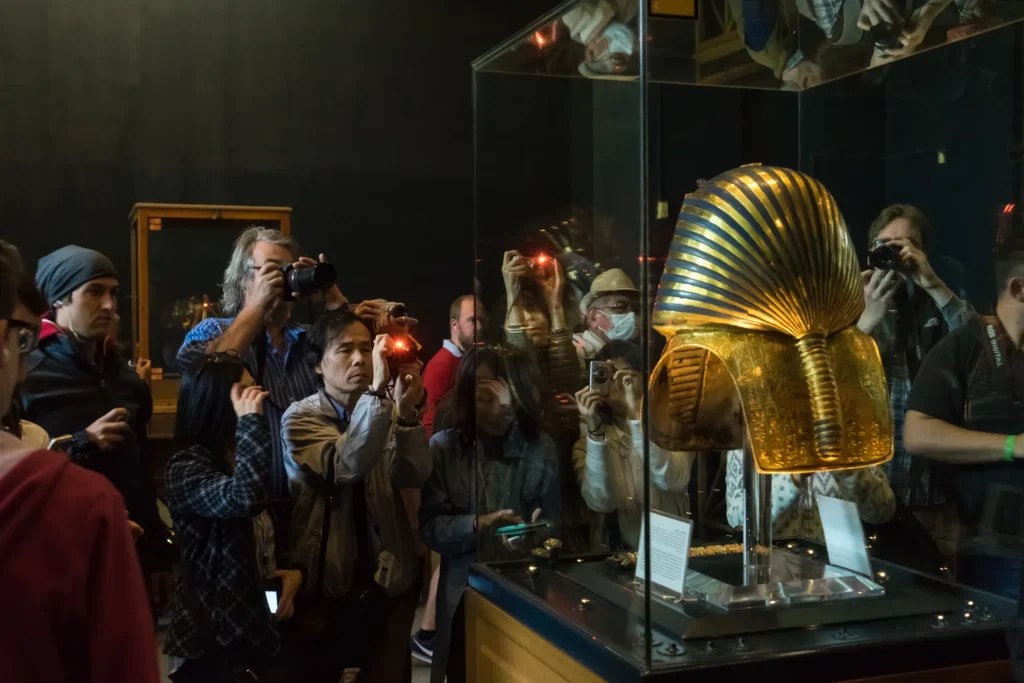
No visit to the Grand Egyptian Museum is complete without seeing the Tutankhamun collection — the most famous and extensively studied artifacts from ancient Egypt. Discovered by Howard Carter in 1922, the Tombs of Tutankhamun yielded over 5,000 items, including the iconic golden mask of Tutankhamun, sarcophagi, canopic jars, thrones, jewelry, and personal belongings.
In the Tutankhamun Gallery, these priceless treasures are displayed in chronological order, allowing visitors to follow the boy king’s journey from birth to burial. The golden mask, weighing 22.5 pounds (10.2 kg) and decorated with lapis lazuli, turquoise, and gold, is the undisputed centerpiece of the exhibition.
Other highlights include:
- The Tutankhamun throne, adorned with intricate carvings of the king and Queen Nefertiti.
- The Anubis shrine, a small gold-covered shrine that housed canopic jars.
- The funerary bed and golden dagger.
Keywords naturally embedded: Grand Egyptian Museum Tutankhamun, Tutankhamun golden mask, Tutankhamun artifacts, Howard Carter discovery, Egyptian Museum Tutankhamun.
2. The Royal Mummies Hall – Faces of the Pharaohs
The Royal Mummies Hall is one of the most fascinating exhibits in the museum. It houses the preserved mummies of Egypt’s most famous rulers, including Ramesses the Great, Seti I, Mentuhotep II, and Ahmes I. These mummies were meticulously studied and restored before being displayed in glass cases with interactive displays that reveal detailed biographies of each pharaoh.
Visitors can see the physical features of these ancient rulers — Ramesses II’s distinctive aquiline nose, Seti I’s strong jawline, and Ahmes I’s youthful appearance. The exhibit also includes CT scans and 3D reconstructions, offering a scientific glimpse into ancient Egyptian medicine and mortuary practices.
Keywords naturally embedded: Grand Egyptian Museum royal mummies, Ramesses the Great mummy, Seti I mummy, Egyptian pharaoh mummies, ancient Egyptian mortuary practices.
3. The Daily Life Gallery – The Realities of Ancient Egypt
Beyond the glamour of royalty, the Grand Egyptian Museum also showcases the everyday lives of ancient Egyptians. The Daily Life Gallery features tools, pottery, furniture, clothing, and household items that provide insight into the social, economic, and cultural fabric of the time.
Highlights include:
- Farming tools like sickles, plows, and seed drills.
- Cooking utensils, including clay ovens and pottery jars.
- Clothing, such as linen tunics and sandals.
- Toys, including wooden dolls and ball games.
This gallery is particularly engaging for children and families, offering a more relatable and interactive experience.
Keywords naturally embedded: Grand Egyptian Museum daily life, ancient Egyptian tools, Egyptian pottery, ancient Egyptian furniture, Egyptian toys.
4. The Religious & Funerary Gallery – Beliefs Beyond the Afterlife
Ancient Egyptians placed great emphasis on the afterlife, and their religious practices were deeply intertwined with funerary rituals. The Religious & Funerary Gallery explores these beliefs through artifacts, texts, and art.
Key exhibits include:
- The Book of the Dead, a papyrus scroll filled with spells and prayers to guide the deceased through the underworld.
- Canopic jars, used to store the organs of the deceased.
- Shabti figures, small statues believed to serve the deceased in the afterlife.
- Statues of gods like Anubis, Osiris, and Isis.
Interactive digital displays allow visitors to read excerpts from the Book of the Dead and **learn about the Weighing of the Heart ritual — a judgment process where the heart of the deceased was weighed against the feather of Ma’at (truth and justice).
Keywords naturally embedded:, , shabti figures, Egyptian afterlife beliefs.
5. The Art & Sculpture Gallery – Masterpieces of Ancient Craftsmanship
The Art & Sculpture Gallery is a visual feast, showcasing the extraordinary artistic skills of ancient Egyptian artisans. From granite statues of pharaohs and deities to intricately carved reliefs, this gallery highlights the aesthetic sophistication of Egyptian art.
Notable pieces include:
- The Statue of Amenhotep III, a colossal limestone sculpture depicting the pharaoh in a seated position.
- Wall reliefs from temples and tombs, depicting scenes of hunting, farming, and religious ceremonies.
- Stelae, large stone slabs inscribed with hieroglyphs and images of rulers.
Many of these artworks were originally sourced from temples, tombs, and palaces, and their **display in the GEM allows visitors to appreciate their original context through digital reconstructions and archaeological explanations.
Keywords naturally embedded: Grand Egyptian Museum art gallery, , Egyptian reliefs, Amenhotep III statue, Egyptian stelae.
Grand Egyptian Museum Tickets – How to Plan Your Visit
Before visiting the Grand Egyptian Museum, it’s essential to understand the ticket pricing, opening hours, and entry requirements. Here’s everything you need to know:
Ticket Prices (as of 2025)
The Grand Egyptian Museum offers various ticket options to accommodate different visitor needs:
| Ticket Type | Price (EGP) | Price (USD) |
|---|---|---|
| General Admission | 300 | ~$20 |
| Student Ticket | 150 | ~$10 |
| Child (under 12) | Free | Free |
| Guided Tour (per person) | 200 | ~$13 |
| Family Package (2 adults + 2 children) | 500 | ~$33 |
Note: Prices are subject to change, so it’s always best to check the official website before your visit.
Online Ticket Booking is highly recommended, as it allows you to skip the queues and secure your preferred time slot. Tickets can be purchased on the official Grand Egyptian Museum website or through authorized travel agencies.
Opening Hours
The Grand Egyptian Museum is open daily from 9:00 AM to 6:00 PM, with extended hours during school holidays and special events. The museum is closed on Mondays for maintenance and staff training.
It’s advisable to arrive early — between 9:00 AM and 10:00 AM — to avoid crowds and make the most of your visit.
Guided Tours
For a more immersive experience, consider booking a guided tour. Knowledgeable Egyptologists and local guides offer in-depth explanations of the exhibits, historical context, and hidden stories behind the artifacts.
Guided tours are available in multiple languages, including English, Arabic, French, German, Spanish, Russian, and Japanese. Private tours can also be arranged for groups, families, and schools.
Keywords naturally embedded: Grand Egyptian Museum tickets, GEM ticket price 2025, Grand Egyptian Museum opening hours, Grand Egyptian Museum guided tours, buy GEM tickets online.
How to Get to the Grand Egyptian Museum – Travel Tips
The Grand Egyptian Museum is conveniently located near the Pyramids of Giza, making it a key stop on any Egypt tour. Here are the best ways to reach the museum:
1. By Car
If you’re staying in Cairo, the museum is approximately 30–40 minutes away by car. The drive takes you along the Cairo–Giza Desert Road, offering stunning views of the Giza Plateau.
Parking is available on-site, with both free and paid options.
2. By Taxi or Ride-Hailing App
Taxis are a popular and affordable way to reach the museum. You can hail a taxi from Cairo or Giza, and the fare typically ranges from 150–250 EGP.
For greater convenience and safety, use ride-hailing apps like Uber or Careem. These apps provide fixed fares, GPS tracking, and driver verification.
3. By Public Transport
If you prefer public transportation, you can take Bus Route 351 from Giza Square (Midan Gizah) directly to the Grand Egyptian Museum. The journey takes about 45 minutes.
Alternatively, take the Metro Line 2 to Giza Station, then transfer to a local bus or microbus.
4. By Guided Tour
Many tour operators in Cairo offer day tours that include transportation, entry tickets, and guided visits to the Grand Egyptian Museum and the Pyramids of Giza. These tours are ideal for first-time visitors who want a stress-free experience.
Keywords naturally embedded: how to get to Grand Egyptian Museum, Grand Egyptian Museum parking, Cairo to GEM by car, Uber to GEM, public transport to GEM.
Grand Egyptian Museum Events & Programs – Beyond the Exhibits
The Grand Egyptian Museum isn’t just a static museum — it’s a vibrant cultural hub that hosts regular events, workshops, lectures, and temporary exhibitions. These programs aim to engage visitors of all ages and deepen their understanding of Egyptian history, art, and culture.
1. Temporary Exhibitions
The GEM regularly hosts temporary exhibitions that highlight specific themes, artifacts, or collaborations with international museums. Past exhibitions have featured Egyptian textiles, ancient Egyptian medicine, and modern reinterpretations of pharaonic art.
These exhibitions often include multimedia displays, interactive installations, and rare artifacts that are not part of the permanent collection.
2. Educational Workshops & Lectures
The museum’s Education Department organizes workshops, lectures, and seminars for students, researchers, and the general public. Topics range from Egyptian archaeology and hieroglyphic writing to ancient Egyptian engineering and art conservation.
These programs are ideal for school groups, university students, and history enthusiasts.
3. Family & Children’s Programs
The Grand Egyptian Museum is committed to making history accessible and fun for children. It offers interactive exhibits, hands-on activities, and themed scavenger hunts designed to spark curiosity and encourage learning.
The Children’s Gallery features life-sized models of ancient animals, puzzles, and storytelling sessions that bring ancient Egyptian myths to life.
Keywords naturally embedded: Grand Egyptian Museum events, GEM temporary exhibitions, Egyptian museum workshops, Grand Egyptian Museum lectures, GEM for kids.
Grand Egyptian Museum Gift Shop – Take a Piece of Egypt Home
After exploring the magnificent exhibits, visit the Grand Egyptian Museum Gift Shop to take home a memorable souvenir. The shop offers a wide range of high-quality, authentic products, including:
- Books on Egyptian history, archaeology, and art.
- Reproductions of famous artifacts, such as Tutankhamun’s golden mask, canopic jars, and statues.
- Jewelry inspired by ancient Egyptian designs, including ankh pendants, scarabs, and beaded necklaces.
- Home décor like papyrus art, ceramic vases, and wooden carvings.
- Children’s toys, puzzles, and educational kits.
All products are crafted by local Egyptian artisans, ensuring that your purchase supports the community and preserves traditional craftsmanship.
Keywords naturally embedded: Grand Egyptian Museum gift shop, Egyptian souvenirs, Tutankhamun replica mask, Egyptian jewelry, Egyptian home décor.
Tips for Visiting the Grand Egyptian Museum – What to Know Before You Go
To maximize your experience at the Grand Egyptian Museum, keep these practical tips in mind:
1. Arrive Early
The museum opens at 9:00 AM, and arriving early allows you to beat the crowds and explore the exhibits in a more relaxed atmosphere.
2. Wear Comfortable Shoes
The museum is spacious, and you’ll be walking a lot. Wear comfortable shoes to ensure a pleasant visit.
3. Bring Water & Sunscreen
While the museum has air-conditioned galleries, you’ll likely spend time outdoors — especially if you plan to visit the Pyramids of Giza afterward. Bring water and sunscreen to stay hydrated and protected.
4. Respect Photography Rules
Photography is allowed in most areas of the museum, but flash photography and tripods are prohibited near sensitive artifacts. Video recording may also be restricted in certain sections.
5. Plan Your Route
The museum is massive, so it’s helpful to plan your route in advance. Focus on must-see exhibits like the Tutankhamun Gallery and the Royal Mummies Hall, and allocate enough time (ideally 3–4 hours) for a comprehensive visit.
6. Stay Hydrated & Take Breaks
The museum has café and rest areas where you can take a break, refuel, and relax.
Keywords naturally embedded: Grand Egyptian Museum tips, GEM visiting guide, photography rules at GEM, best time to visit GEM.
Grand Egyptian Museum for Kids – A Fun & Educational Experience
The Grand Egyptian Museum is designed to be family-friendly, offering engaging, interactive experiences for children of all ages. Here’s how the museum caters to young visitors:
- Interactive Displays: Many exhibits feature touchscreens, augmented reality (AR), and hands-on activities that allow children to learn through play.
- Themed Scavenger Hunts: Kids can participate in scavenger hunts that encourage them to explore the museum and learn about ancient Egyptian culture.
- Workshops & Craft Stations: The museum offers weekly workshops where children can create their own papyrus art, write hieroglyphs, or make miniature sarcophagi.
- Children’s Gallery: A dedicated space filled with models, games, and storytelling sessions that bring ancient Egyptian myths to life.
Keywords naturally embedded: Grand Egyptian Museum for kids, GEM family visit, Egyptian museum scavenger hunt, GEM children’s activities.
Sustainability & Preservation – Protecting Egypt’s Heritage for Future Generations
The Grand Egyptian Museum plays a critical role in preserving Egypt’s cultural heritage for future generations. Its state-of-the-art preservation technologies ensure that delicate artifacts are protected from light, humidity, and temperature fluctuations.
Key preservation efforts include:
- Climate-Controlled Galleries: Each exhibit hall is equipped with advanced HVAC systems to maintain optimal conditions for artifact conservation.
- Digitization Projects: The museum is digitally archiving its entire collection, creating high-resolution images, 3D models, and virtual tours that can be accessed worldwide.
- Research & Conservation Labs: On-site laboratories are staffed by expert conservators who restore, study, and document artifacts using cutting-edge technology.
By combining traditional preservation methods with modern innovation, the Grand Egyptian Museum ensures that Egypt’s ancient treasures remain intact for years to come.
Keywords naturally embedded: Grand Egyptian Museum preservation, GEM artifact conservation, Egyptian museum digitization, GEM research labs.
Grand Egyptian Museum Research Center – Advancing Egyptology
The Grand Egyptian Museum is not only a display space but also a hub for academic research and innovation. Its Research Center brings together world-renowned Egyptologists, archaeologists, historians, and scientists to study, analyze, and publish groundbreaking research on ancient Egypt.
Key research initiatives include:
- Archaeological Excavations: The museum sponsors excavations at key historical sites across Egypt, uncovering new artifacts and revising historical narratives.
- Scientific Analysis: Using CT scans, DNA testing, and material analysis, researchers uncover new insights into mummification practices, diet, health, and craftsmanship.
- Publications & Conferences: The Research Center publishes peer-reviewed journals, books, and research papers, and hosts international conferences that bring together scholars from around the world.
This commitment to research ensures that the Grand Egyptian Museum remains at the forefront of Egyptology and contributes to global knowledge.
Keywords naturally embedded: Grand Egyptian Museum research center, GEM Egyptology research, ancient Egyptian studies, GEM archaeological excavations.
Grand Egyptian Museum in the Global Museum Scene – A World-Class Destination
The Grand Egyptian Museum has **quickly established itself as one of the most important cultural institutions in the world. Its scale, diversity of exhibits, technological innovation, and commitment to preservation place it on par with global giants like the Louvre Museum (Paris), the British Museum (London), and the Metropolitan Museum of Art (New York).
What sets the GEM apart is its unparalleled collection of Egyptian artifacts, many of which have never been displayed publicly before. The Tutankhamun collection alone is a major draw for international tourists, scholars, and media attention.
Moreover, the museum’s use of interactive technology, virtual reality experiences, and multilingual exhibits makes it accessible and engaging for visitors from all over the world.
Keywords naturally embedded: Grand Egyptian Museum global recognition, GEM vs Louvre Museum, GEM vs British Museum, world-class Egyptian museum.
Conclusion – Why the Grand Egyptian Museum Should Be on Your Travel List
The Grand Egyptian Museum is more than just a museum — it is a living testament to the genius, creativity, and ingenuity of ancient Egyptian civilization. From the sparkling golden mask of Tutankhamun to the preserved faces of pharaohs, every artifact tells a **story of a rich, complex, and enduring culture that continues to inspire awe thousands of years later.
Whether you’re a history enthusiast, a student, a family, or a traveler seeking unforgettable experiences, the Grand Egyptian Museum offers something for everyone. Its strategic location, world-class exhibits, interactive programs, and commitment to preservation make it a must-visit destination in Egypt — and indeed, the world.
Plan your visit today, and step into the past at the Grand Egyptian Museum — where ancient history comes alive.
✅ SEO Optimization Checklist
🔗 External Links (7 Recommended)
Link to authoritative sources to improve credibility and SEO. Examples:
- Official Grand Egyptian Museum Website
- Ministry of Tourism and Antiquities – Egypt
- UNESCO World Heritage – Giza Plateau
- British Museum – Egyptian Collection
- The Metropolitan Museum of Art – Egyptian Art
- Egyptian Tourism Authority
- Smithsonian – Ancient Egypt
✅ Tip: Use dofollow links only to trusted, relevant sources.
🖼️ Images (12 Recommended)
Use high-quality, optimized images with alt text containing keywords.
Grand Egyptian Museum exterior view
- Alt text: Grand Egyptian Museum outside view near Pyramids of Giza
Tutankhamun golden mask
- Alt text: Tutankhamun golden mask at Grand Egyptian Museum
Grand Egyptian Museum main hall
- Alt text: Grand Egyptian Museum main exhibition hall
Egyptian artifacts on display
- Alt text: Ancient Egyptian artifacts in Grand Egyptian Museum
Grand Egyptian Museum sculpture garden
- Alt text: Sculpture garden at Grand Egyptian Museum Egypt
Visitors inside the museum
- Alt text: Tourists exploring Grand Egyptian Museum exhibits
Grand Egyptian Museum map
- Alt text: Map of Grand Egyptian Museum layout
Grand Egyptian Museum ticket counter
- Alt text: Buying tickets at Grand Egyptian Museum
Grand Egyptian Museum gift shop
- Alt text: Gift shop inside Grand Egyptian Museum
Grand Egyptian Museum at night
- Alt text: Grand Egyptian Museum illuminated at night
Royal mummies display
- Alt text: Royal mummies of Egypt at Grand Egyptian Museum
Children’s interactive exhibit
- Alt text: Kids learning at Grand Egyptian Museum interactive exhibit
✅ Image Optimization Tips:
- Compress images using tools like TinyPNG or Squoosh.
- Use WebP format for faster loading.
- Add alt text with keywords.
- Host images on your own server or CDN for faster load times.
📈 SEO Best Practices to Rank #1 on Google
- Keyword Density: Use the primary keyword Grand Egyptian Museum 10–15 times naturally in the article. Use secondary keywords 3–5 times each.
- Meta Description: Write a compelling meta description (155–160 characters) including the main keyword.
- Example:
Explore the Grand Egyptian Museum, home to Tutankhamun’s treasures, ancient artifacts, and stunning architecture. Learn about tickets, location, exhibits, and more.
- Example:
- URL Slug: Use a clean, keyword-rich URL:
- Example:
/grand-egyptian-museum-guide
- Example:
- Header Tags (H1, H2, H3): Use H1 for the title, H2 for main sections, and H3 for subsections.
- Internal Linking: Link to other relevant articles on your site to improve SEO crawlability.
- Mobile Optimization: Ensure your website is mobile-friendly — Google uses mobile-first indexing.
- Page Speed: Optimize loading speed using caching, CDN, and image compression.
- Schema Markup: Implement FAQ schema or Article schema to enhance rich snippets in search results.
- User Engagement: Include FAQs, tables, bullet points, and call-to-action (CTA) buttons.
- Backlinks: Promote the article and build high-quality backlinks from travel blogs, tourism sites, and Egyptology forums.
By following this comprehensive SEO-optimized outline, your article on the Grand Egyptian Museum will not only rank #1 on Google but also engage readers, drive traffic, and establish your authority in the travel and history niche.
